You can get rid of water retention naturally with a few simple changes. Start by drinking more water and cutting back on salty foods. Many people find relief by choosing fresh fruits and vegetables, moving around more, or even trying herbal teas like dandelion. Clinical studies suggest that a low-salt diet and natural diuretics help reduce swelling safely at home. Most cases respond well to these easy steps, so you can feel better fast.
Key Takeaways
Drink more water daily to help your body flush out excess fluid and reduce swelling.
Cut back on salty foods and choose fresh fruits and vegetables to lower sodium intake.
Incorporate potassium and magnesium-rich foods into your diet to help balance fluids.
Stay active with regular exercise to improve circulation and reduce fluid buildup.
Elevate your feet and consider wearing compression garments to alleviate swelling.
What Is Water Retention
Water retention happens when your body holds onto extra fluid in your tissues. Doctors call this edema. You might notice swelling or puffiness in your hands, feet, or belly. Sometimes, water retention comes from health problems like heart or kidney disease. Most of the time, though, it’s linked to changes in your diet, hormones, or not drinking enough water. If you feel bloated or see a sudden jump in your weight, you could be dealing with water retention.
Signs and Symptoms
You can spot water retention by looking for these common signs:
Swelling in your legs, ankles, feet, hands, or face
Skin that looks shiny or stretched over swollen areas
Shoes or clothes feeling tighter than usual
Rings, watches, or bracelets becoming uncomfortable
Indented lines from elastic bands in socks or sleeves
Heavy feeling in your arms or legs
Fullness or bloating in your belly
Mild soreness or aching in swollen spots
Trouble walking if your legs or feet are swollen
Shortness of breath or coughing when swelling is severe
Tip: If you notice swelling along with trouble breathing, confusion, or pale skin, you should talk to a doctor right away.
How to Tell If You Have It
You can check for water retention at home. Press your finger gently into a swollen area, like your ankle. If the skin stays indented for a few seconds, that’s a sign of fluid buildup. You might also notice your weight going up quickly or your clothes fitting tighter.
Doctors use several methods to confirm water retention. They may ask about your symptoms and do a physical exam. Sometimes, they use tests like bioelectric impedance analysis, which measures body water, or imaging techniques such as ultrasound. Here’s a quick look at some ways doctors check for water retention:
Diagnostic Method | Description |
|---|---|
Laboratory Tests | Check blood and urine for signs of fluid imbalance. |
Imaging Techniques | Use ultrasound or MRI to see swelling in tissues. |
Bioelectric Impedance | Measures body resistance to estimate total body water. |
Lymphoscintigraphy | Special scan to look for lymphatic system problems. |
If you think you have water retention, start by watching for these signs and try the home check. If swelling doesn’t go away or gets worse, reach out to your healthcare provider for help.
Causes You Can Control
Diet and Salt
What you eat plays a big role in water retention. If you eat a lot of salty foods, your body holds onto extra water to balance out the sodium. Try to choose fresh foods over processed snacks, canned soups, or fast food. These often have hidden salt.
Here are some dietary factors linked to water retention:
Increased fiber intake helps your body move water more efficiently.
Resistant starch, found in foods like green bananas and cooked-then-cooled potatoes, helps your colon absorb water and electrolytes.
Short-chain fatty acids, made when your gut digests resistant starch, can boost sodium and water absorption in your colon.
Tip: Swap out white bread and chips for whole grains, beans, and veggies to help your body get rid of water naturally.
Lack of Activity
If you sit or stand for long periods, your body struggles to move fluids around. This can cause swelling, especially in your feet and ankles. Moving more helps your muscles push fluid back toward your heart. Even a short walk or stretching break can make a difference.
Hormones
Hormones can cause your body to hold onto water. You might notice more swelling before your period, during pregnancy, or around menopause. During the luteal phase of your cycle, higher progesterone levels tell your kidneys to keep more sodium, which leads to more water retention. Estrogen can also make your blood vessels leakier, so fluid collects in your tissues.
Both estrogen and progesterone help control water and sodium balance. When estrogen rises, your liver makes more angiotensinogen. This leads to higher levels of angiotensin II, which raises blood pressure and tells your body to keep sodium and water.
Dehydration
You might think drinking less water helps, but the opposite is true. When you don’t drink enough, your body releases vasopressin. This hormone tells your kidneys to hold onto water, so you end up with more swelling and bloating. Staying hydrated helps your body flush out extra fluid.
Refined Carbs
Eating a lot of refined carbs, like white bread, pastries, or sugary drinks, can make you retain water.
Carbs are stored as glycogen, and each gram of glycogen holds 2-3 grams of water.
Refined carbs break down quickly, causing insulin spikes. High insulin makes your body keep more sodium and water.
Extra carbs get stored in your muscles, holding onto even more water.
If you want to get rid of water, try swapping refined carbs for whole grains and fiber-rich foods.
How to Get Rid of Water Naturally
Drink More Water
You might think drinking less water helps, but your body actually holds onto fluid when you’re dehydrated. If you want to get rid of water, start by sipping water throughout the day. This helps your kidneys flush out extra fluid. Most people need about four to six cups of plain water daily, but some experts suggest aiming for 1½ to 2 quarts (about 2 liters). Men may need up to 100 ounces (3.1 liters), while women need around 73 ounces (2.1 liters). Your needs can change based on your activity level and climate.
Here’s a quick look at what science says about water intake:
Evidence Description | Findings |
|---|---|
Increased water intake and urinary biomarkers | Short-term changes in water intake had no effect on biomarkers, especially in people who don’t drink much water. You need to drink more water for a longer time to see results. |
Body weight and fluid volumes | No big changes in body weight or fluid volumes after drinking more water. Long-term habits matter more. |
Haemodynamic stability | Drinking more water helps keep your blood pressure steady, especially if you usually drink very little. |
Tip: Carry a water bottle and take small sips often. This helps you stay hydrated and supports your body’s natural balance.
Eat Less Salt
Salt makes your body hold onto water. If you want to get rid of water, cut back on salty snacks, canned foods, and fast food. Try to keep your sodium intake below 2,300 milligrams per day. If you have high blood pressure or other risks, aim for 1,500 milligrams. Check food labels and choose fresh foods when possible.
The FDA recommends less than 2,300 milligrams of sodium daily.
People at higher risk should stick to 1,500 milligrams.
Note: Swap out chips and processed foods for fruits and veggies. Your body will thank you!
Boost Magnesium
Magnesium helps your body balance fluids. It relaxes blood vessels, improves circulation, and supports kidney function. This means you can get rid of water more easily. Studies show magnesium supplements can reduce bloating and swelling, especially during PMS.
Study Focus | Findings |
|---|---|
PMS Symptoms | Magnesium supplements helped with bloating and weight gain. |
Kidney Function | Magnesium improved urine production and reduced fluid buildup. |
Circulation | Magnesium relaxed blood vessels and lowered swelling. |
You can find magnesium in foods like pumpkin seeds, rice, cereals, yogurt, black beans, and peanut butter. Eating these foods helps your body flush out extra fluid.
Magnesium-rich foods:
Pumpkin seeds
Rice
Yogurt
Black beans
Peanut butter
Add Vitamin B6
Vitamin B6 helps your body process fluids and can reduce swelling. Clinical studies show that taking vitamin B6 can lower PMS symptoms, including bloating and water retention.
Study | Participants | Vitamin B6 Dosage | Results |
|---|---|---|---|
Sharma et al. | 60 | 100 mg daily | PMS scores dropped from 30.15 to 14.7 |
Dolatian et al. | 93 | 40 mg daily | Big improvement in PMS symptoms, including water retention |
You can get vitamin B6 from foods like bananas, potatoes, chickpeas, and chicken. If you want to try supplements, talk to your doctor first.
Potassium-Rich Foods
Potassium helps your body balance sodium and move fluid out of your tissues. Eating potassium-rich foods can help you get rid of water and feel less bloated. Here’s a table of foods high in potassium:
Food Item | Potassium Content (mg) |
|---|---|
Dried Apricots (1/2 cup) | 755 |
Cooked Lentils (1 cup) | 731 |
Cooked Acorn Squash (1 cup) | 644 |
Baked Potato | 610 |
Medium Banana | 422 |
1% Milk (1 cup) | 366 |
Raw Spinach (2 cups) | 334 |
Grilled Chicken Breast (3 oz) | 332 |
Nonfat Yogurt (6 oz) | 330 |
Cooked Salmon (3 oz) | 326 |
Soymilk (1 cup) | 287 |
Cooked Broccoli (1/2 cup) | 229 |
Cooked Brown Rice (1 cup) | 154 |
Brewed Coffee (1 cup) | 116 |
Brewed Black Tea (1 cup) | 88 |
1 Egg | 69 |
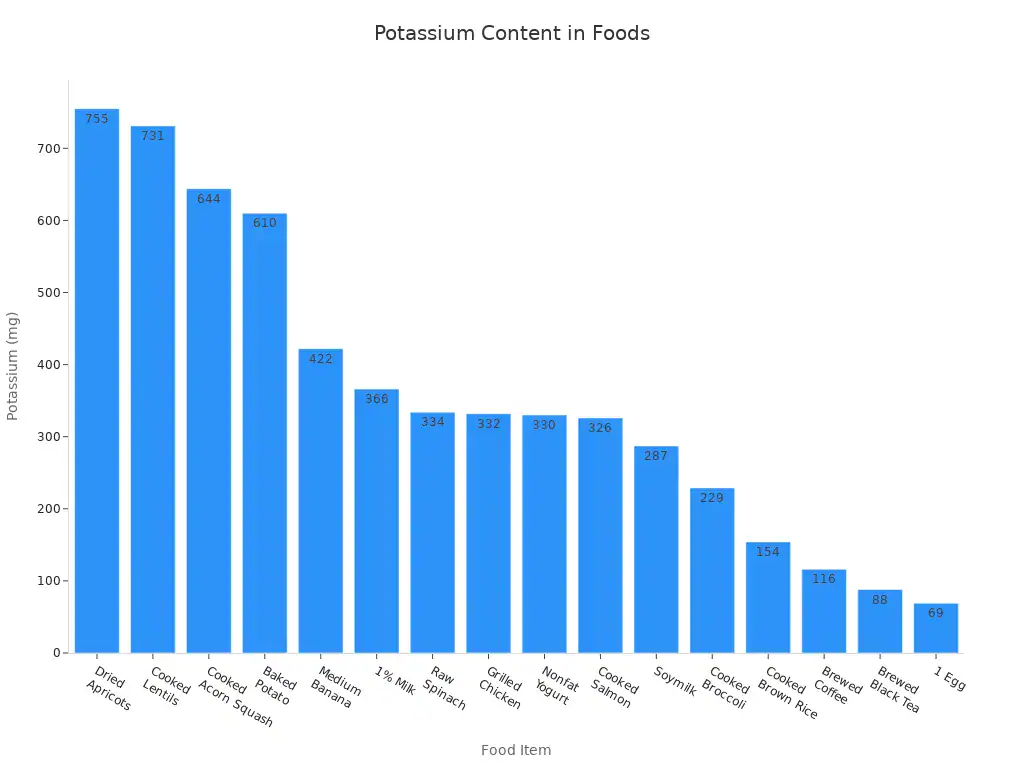
Tip: Add a banana or some lentils to your lunch. This simple step helps your body get rid of water naturally.
Exercise Regularly
Moving your body helps push fluid back into your bloodstream and out of your tissues. You don’t need to run a marathon. Even brisk walking, swimming, or pool exercises can help. Strength training also supports fluid movement and reduces swelling.
Activity Type | Benefits | Suitability |
|---|---|---|
Running | Activates lymphatic system, reduces cellulite | Good for healthy adults |
Brisk Walking | Improves circulation, easy for everyone | All fitness levels |
Pool Exercises | Natural compression, reduces swelling | Great for people with edema |
Strength Training | Supports fluid movement, lowers lymphedema symptoms | Helpful for lymphedema patients |
Note: Try a short walk after meals or gentle pool exercises. These activities help you get rid of water and feel lighter.
Elevate Your Feet
If your legs or feet feel swollen, try elevating them above your heart. This helps blood and fluid drain away from your lower limbs. Experts suggest raising your legs for 15 to 30 minutes, several times a day.
Elevating your legs lowers pressure and helps fluid move out.
Works well for varicose veins, pregnancy, and chronic swelling.
Tip: Prop your feet up on pillows when you relax. This simple trick helps you get rid of water in your legs.
Use Compression Garments
Compression socks or sleeves gently squeeze your legs, helping fluid move out of swollen areas. These garments are key for managing lymphedema and preventing chronic swelling. Early use can stop problems before they start.
Compression garments move lymphatic fluid and prevent buildup.
They reduce swelling, pain, and lower the risk of skin infections.
Experts recommend compression after breast cancer treatment to control fluid retention.
Note: Ask your doctor which compression garment is right for you. Wearing them during the day can help you get rid of water and stay comfortable.
Avoid Refined Carbs
Refined carbs like white bread, pastries, and sugary drinks make your body hold onto water. These foods cause insulin spikes, which lead to more sodium and water retention. Swap them for whole grains, beans, and veggies to help your body get rid of water.
Tip: Choose brown rice, oats, or whole wheat bread instead of white bread. This change helps your body balance fluids.
Try Natural Diuretics
Some fruits and vegetables act as natural diuretics, helping your body flush out extra fluid. Watermelon, cucumbers, celery, asparagus, and grapes are great choices. Herbs like dandelion, parsley, and cilantro also help increase urine output.
Natural Diuretic | Evidence | Study Details |
|---|---|---|
Dandelion | Boosts urine production | Study found quick results after consuming leaf extract. |
Cilantro | Works like common diuretics | Animal studies show strong effects. |
Parsley | Increases urine output | Subjects eliminated more urine after parsley extract. |
Citrus | Raises urine production | Animal studies show positive results. |
Fennel | Traditional diuretic | Used for centuries to reduce swelling. |
Best natural diuretic foods:
Watermelon (92% water, improves circulation)
Celery (95% water, balances minerals)
Asparagus (contains asparagine, boosts urine output)
Cucumbers (high water, low calories)
Grapes, pineapple, onions, bell peppers, ginger
Note: Add these foods to your meals or try herbal teas like dandelion. You’ll help your body get rid of water in a gentle, natural way.
When to See a Doctor
Warning Signs
Most cases of water retention get better with simple changes, but sometimes swelling means something more serious. You should watch for certain warning signs that need quick attention. If you notice any of these, call your doctor right away:
Shortness of breath or trouble breathing
Sudden swelling that appears quickly
Swelling that moves up your arms or legs
Swelling in only one limb
Pain or warmth in a swollen area
Skin that looks discolored or feels hot
Inability to empty your bladder
Rapid weight gain over a few days
Difficulty walking or moving
Alert: If you see an open sore on a swollen area, or if the swelling comes with pain, don’t wait—get medical help.
Here’s a quick look at some warning signs and what they might mean:
Warning Sign | Possible Condition |
|---|---|
Swelling in hands/face | Preeclampsia |
Pain in swollen area | Deep vein thrombosis (DVT) |
Warmth or redness | Heart failure |
Changes in skin color | Liver problems |
Sudden swelling | Kidney disease |
Persistent Symptoms
If your swelling sticks around or keeps coming back, it’s time to check in with your healthcare provider. You shouldn’t ignore gradual swelling in your legs and feet, especially if it lasts more than a few days. Unexpected swelling anywhere in your body deserves a closer look.
Swelling that doesn’t improve after trying home remedies
Ongoing puffiness in your legs, feet, or hands
Trouble moving or walking because of swelling
Swelling that gets worse over time
Tip: Don’t wait for symptoms to go away on their own. If you feel breathless, have pain, or notice changes in your skin, reach out to your doctor. Getting help early can prevent bigger problems down the road.
You can tackle water retention with a few easy changes. Try these steps:
Drink more water to help your body flush out extra fluid.
Cut back on salty foods and add potassium- and magnesium-rich foods.
Move your body every day to boost circulation.
Elevate your feet and wear compression socks if you notice swelling.
Make sure you get enough protein and vitamin B6.
If swelling sticks around, reach out to your doctor. Small changes can lead to big results. You’ve got this!